Modern life can feel like a lot, screens, travel, indoor routines, and constant notifications. One way some people support a steadier daily routine is by using low-intensity PEMF systems designed to mirror nature-inspired patterns.
This article shares a practical, lifestyle-based way people use PEMF, without medical claims, and why consistency, timing, and waveform design matter.
What PEMF Systems Actually Do
In a non-medical, general-well-being context, PEMF refers to low-frequency, low-intensity fields that some people choose to include in their routine. Rather than “stronger is better,” many users prefer gentle sessions designed for comfort and consistency, as part of a broader daily stack that includes sleep, hydration, movement, and recovery time.
People commonly use PEMF sessions to support:
-
relaxation and reset time
-
a calmer end-of-day routine
-
a simple “recharge” moment between work blocks
-
consistency in their overall self-care habits
Why Your Bioelectrical Routine Matters
When daily life is overloaded, people often look for simple inputs that feel steady and repeatable. A short PEMF session basking in resonant frequencies can be one of those anchoring routines, similar to a walk, breathwork, hydration, or a wind-down routine at night.
Time-of-Day Session Logic
Advanced PEMF systems offer different programs for morning, mid-day, evening and night time. That’s not random — the body typically doesn’t need the same type of rhythmic input at 8 a.m. as it does at 9 p.m.
-
Morning sessions often aim to gently activate and prepare you for the day.
-
Mid-day sessions can help you reset after screens, work, or travel.
-
Evening sessions tend to be calmer, helping the nervous system shift toward rest.
- Night sessions align with the lower delta frequency range and prepare for body and mind for deep sleep.
Using it this way makes PEMF less of a “once in a while gadget” and more of a daily bioelectrical hygiene tool.
Consistency Beats Intensity
A common misconception is that stronger is better. For everyday support, it’s usually the opposite: low, rhythmic, and consistent sessions tend to be more in line with how the body naturally operates. That’s why many systems are built for daily use at home — 8 to 16 minutes, 1–2 times per day, depending on the program you choose.
PEMF and Modern EMF Exposure
People sometimes ask if PEMF “protects” against modern EMFs. It’s better to keep expectations realistic, PEMF is not a shield. If EMF exposure is a concern, practical habits (router timing, distance, airplane mode, bedroom setup) matter most. Some people choose to add PEMF as one supportive part of their routine alongside those habits.
Choosing a System
When you look at PEMF systems in 2025, consider:
-
Signal quality – low-frequency, Earth-inspired, non-aggressive, clear PEMF signal.
-
Full-body applicator – so you’re not just spot-treating but giving the whole body organized input.
-
Software programs – morning/day/evening options so it’s easy to stay consistent.
-
Upgrade path / accessories – some brands offer light/sound, local applicators, or FIR modules that complement PEMF in a compliant wellness way.
-
Support – especially for first-time users, guidance on how to build a routine is just as important as the hardware.
Next Step: See the PEMF Systems
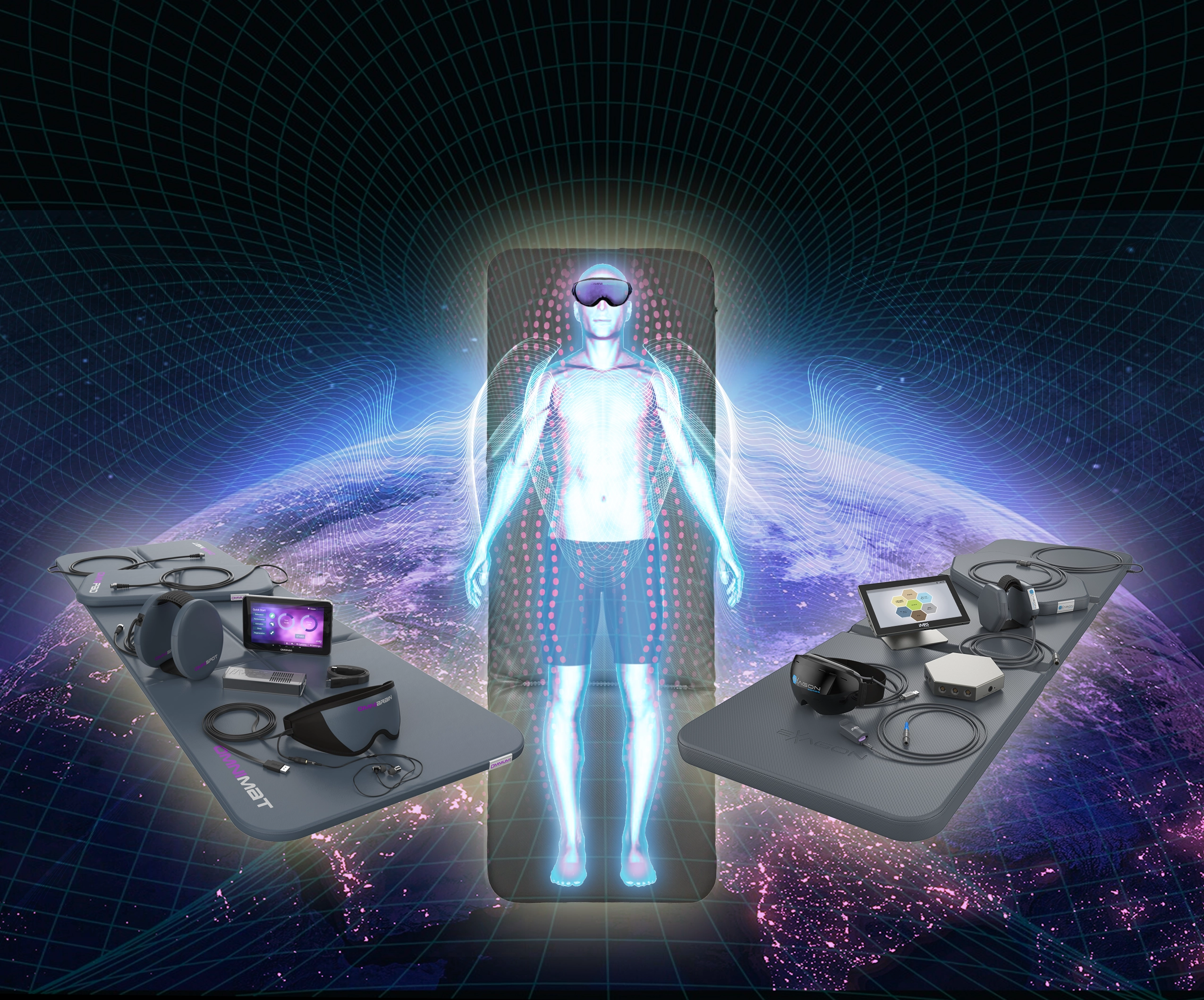
If you want to compare the iMRS Prime, SmartPulser and Omnium1 setups, we’ve put everything in one place, what’s included, how the applicators differ, and how people typically build a simple daily routine.
Explore PEMF systems and configurations
How to Use This in Real Life
-
Do a short session in the morning to set the tone for the day.
-
If you work at a desk or on screens, do a mid-day reset.
-
In the evening, use the calmer program to help your system downshift.
-
Pair it with hydration, breathing, and proper sleep timing.
Over time, you’re not “treating” anything — you’re building a bioelectrical environment that’s more organized than what modern life usually gives you.
Important Note
PEMF systems described here are for general wellness, relaxation, and lifestyle support. They are not presented as medical devices for diagnosis, treatment, cure, or prevention of disease. Always follow the manufacturer’s guidelines and consult your health professional if you have an implanted device, are pregnant, or have specific health questions.