


PEMF 101: A Practical Guide to PEMF
A clear, grounded overview of what PEMF is, how sessions are defined, and what to look for in a quality system.
What is PEMF in short and simple terms?
PEMF (Pulsed Electromagnetic Fields) uses low-frequency, pulsed fields—delivered primarily through a magnetic field—to interact with the body’s own bioelectrical environment in a controlled, repeatable way. Sessions are typically defined by four practical variables: frequency, intensity, waveform, and time. It’s non-invasive, and many people explore it as part of their routine for day-to-day energy, physical comfort, and overall balance—especially in a world where our baseline environment has changed so dramatically that natural field exposure is easy to overlook.
The bigger picture: Earth + body
We live within Earth’s natural electromagnetic field environment, and the body also generates electrical activity internally. In that sense, PEMF 101 starts with a simple idea: we live in fields, and we are fields.
How modern PEMF systems fit in
Home and professional platforms (like iMRS Prime and Omnium1 2.0) are designed around earth-range, low-frequency pulse patterns—favoring resonance over force—with an emphasis on consistency and repeatability. Through sophisticated waveform design and precision copper-coil engineering, these systems generate stable, well-defined fields for structured sessions using full-body and localized applicators.
A healthy body can only begin with healthy cells.
That’s why many people explore PEMF as part of a broader wellness routine—alongside sleep, movement, hydration, nutrient-dense food, daylight exposure, and stress management—with a focus on supporting cellular-level foundations over time.
Return to Source.
Next, we’ll trace how our electromagnetic environment shifted from Earth’s baseline to modern electrification—and where earth-range PEMF fits today.
From Nature to Networks: A Brief History of EMF
Earth’s Resonant PEMF: A Foundation for Life
Life thrives on Earth because the essentials are here: oxygen, water, gravity, and a natural electromagnetic field environment. Earth’s background field stays relatively stable, and living systems operate within that context.
The body generates its own electrical activity and responds differently across the electromagnetic spectrum. Some exposures are part of everyday life, while others (like X-rays and gamma radiation) are high-energy and harmful.
A key idea is resonance: systems tend to respond more efficiently within familiar ranges. That’s why Earth’s low-frequency patterns are often referenced when people talk about earth-range PEMF, and why earth-range PEMF is explored as a controlled, repeatable practice.

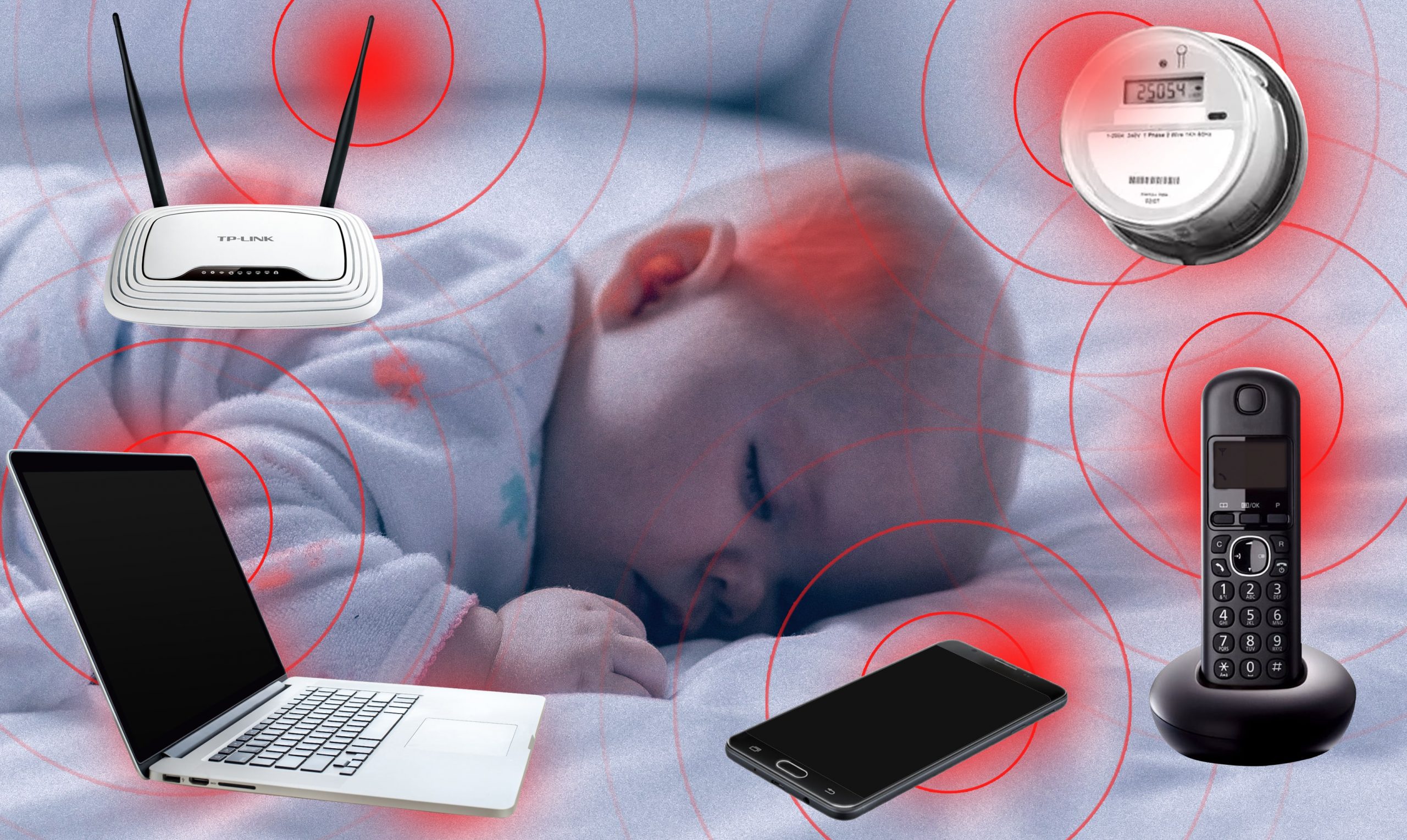
The non-native EMF Problem
A growing feature of life is our increased exposure to artificial electromagnetic fields (EMFs)—signals that differ from the natural electromagnetic environment humans evolved within. For most of history, our baseline exposure was largely Earth’s geomagnetic field and low-frequency atmospheric activity. With electrification and the rise of always-on wireless technologies, that baseline has shifted, and maintaining a sense of natural “alignment” can feel more challenging for people.
Living systems operate with bioelectrical activity, and many people wonder how constant exposure to high-frequency, man-made signals may affect day-to-day wellbeing. These invisible frequencies surround us continually—phones, Wi-Fi, Bluetooth, smart meters, and cellular networks—often unnoticed, yet always present.
As non-native EMFs become more common, many people focus on practical ways to support resilience from within: improving sleep routines, getting daylight, spending time outdoors, reducing unnecessary device exposure, and building consistent recovery habits.
In that context, low-frequency PEMF systems are often explored as a complementary wellness approach because they deliver structured, repeatable, earth-range sessions. Rather than “more intensity,” the emphasis is typically on stable parameters—frequency, waveform, and amplitude—applied consistently over time.
Research has explored resonant, pulsed electromagnetic fields within the commonly cited “biological window” (about 0.5–28 Hz), often discussed alongside Earth-related low-frequency patterns such as the Schumann resonances. Because of this, frequency range and intensity calibration become important when comparing systems—especially since some home-use devices operate outside these ranges.
Receive
 Specials!
Join to Get Updates and Special Offers!
The PEMF Solution: Harnessing Nature’s Frequencies

PEMF Buyer's Guide 2026
This comprehensive buyer’s guide is designed to provide accurate and up-to-date answers on the most critical questions you may ask prior to obtaining a PEMF system for your personal and professional use!


The PEMF Resonance Factor
MEET THE SERIES

Why It Works: Designed for Bioelectrical Balance
The iMRS Prime and Omnium1 2.0 platforms reflect decades of work exploring the body’s bioelectromagnetic nature. As bioelectrical beings, we interact with natural fields daily. These systems are designed around gentle, earth-range patterns—favoring resonance over force—for consistent, repeatable sessions.
Bioelectrical context: “The human body is electrical in nature and uses electromagnetic energy to control and regulate its functions.” — H. Richard Casdorph, M.D.
Earth-range parameters: These PEMF systems deliver pulsed electromagnetic fields within a low-frequency range (~0.5–25 Hz), reflecting patterns discussed in Earth’s electromagnetic environment (e.g., ~7.83 Hz atmospheric resonance). Waveforms are engineered to deliver a structured pulse signal for consistent sessions across the mat and local applicators.
Intensity levels: Signal amplitude ranges from low microtesla levels on the mat to higher settings on local applicators, calibrated for daily sessions.
Exploration across settings: Low-frequency PEMF parameters have been explored across research communities for many years, including environmental biophysics and related fields.
The practical idea: By emphasizing steady frequencies and modest intensities, these systems provide a controlled field environment you can apply consistently as part of a long-term routine.
Further reading: explore low-frequency, low-amplitude PEMF systems, compare iMRS Prime and Omnium1 2.0 systems, or visit the PEMF FAQ.